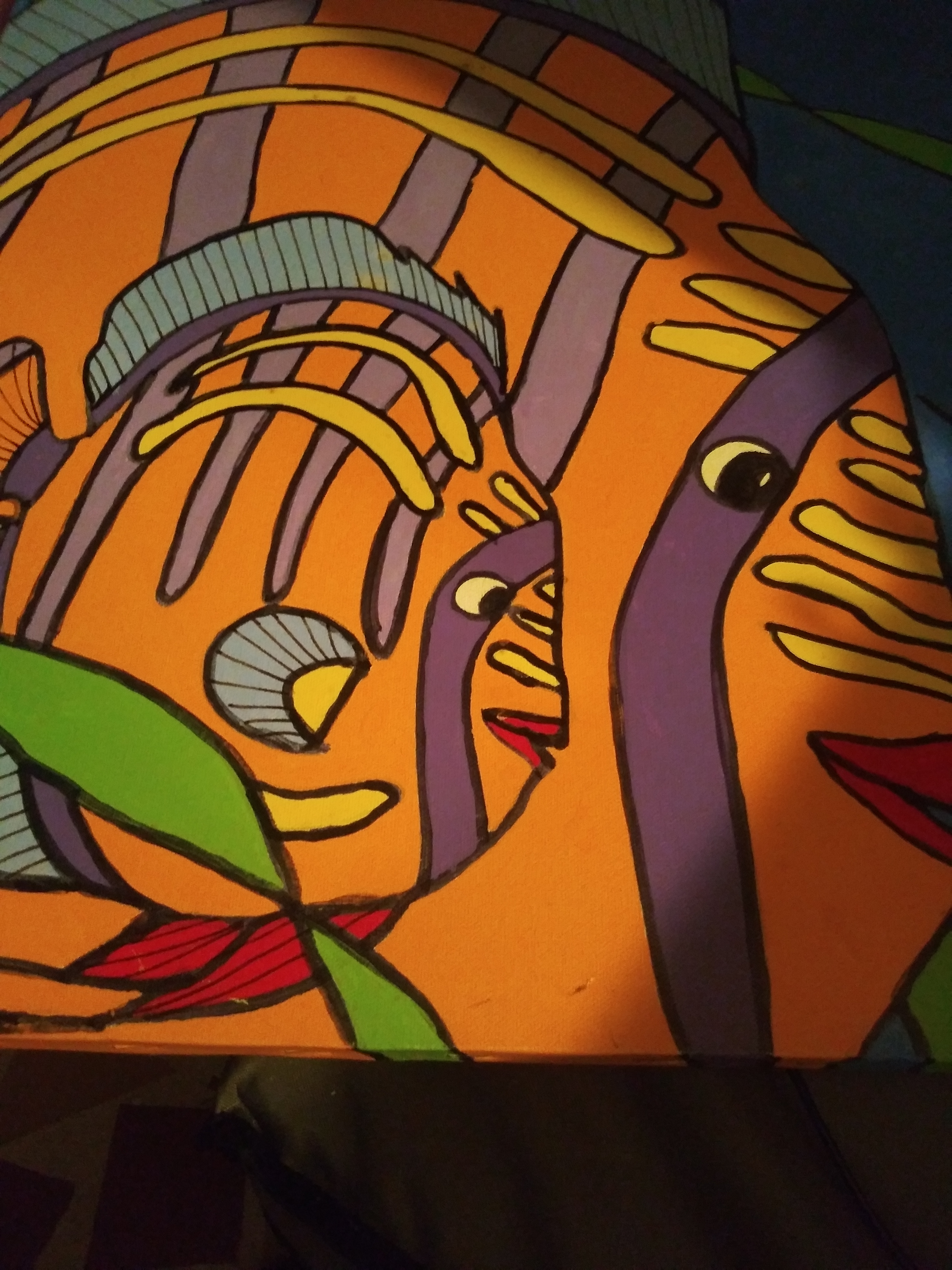



Plastic People: The Shallow Existence
Introduction: The Plastic World Around Us
In today’s fast-paced, convenience-driven world, plastic is everywhere—plastic bags, plastic utensils, plastic packaging. We recognize their temporary value, serving a purpose in our everyday lives, even though their environmental impact has become a growing concern. But there’s something even more concerning than the overabundance of these physical plastics—it’s the rise of “plastic people,” individuals who live in a bubble of shallow existence, oblivious to the depth of life beyond themselves.
Plastic people are like their material counterparts: superficial, disposable, and serving a limited, self-serving purpose. Their lives, characterized by entitlement, negativity, and self-centeredness, are shaped by an upbringing that often lacked boundaries and discipline. In the same way plastic litters our oceans, these individuals litter society with toxic attitudes, creating a ripple effect of damage wherever they go.
But how do people become “plastic”? The answer lies, more often than not, in the hands of the parents.
Chapter 1: The Seeds of Plasticity
In an earlier blog, I wrote about a simple yet telling scenario that can shape a child’s future personality: a child sits in a high chair, repeatedly dropping his spoon on the floor for the twentieth time. Each time, the parent bends down, picks it up, and hands it back without hesitation. This seemingly trivial interaction is more profound than it appears. It’s the first battle in a long war over boundaries, control, and understanding of the world. In this scenario, when the child wins, the seed of entitlement is sown.
The child realizes that with enough persistence, they can bend the world—and more importantly, the people in it—to their will. The lesson learned? I am in control, not those around me. The battle over that spoon was lost, but more importantly, a precedent was set. The message was loud and clear: “I get what I want when I demand it.” As the child grows, this unchecked mindset metastasizes, becoming the foundation for a personality that believes the world revolves around them. It’s the genesis of a shallow existence.
Chapter 2: The Parent Factor – The Enablers of Entitlement
Parents, in their desire to provide, nurture, and love, can often become the very enablers of this behavior. When discipline is replaced with indulgence, and boundaries become blurred or nonexistent, children grow up believing that they are the center of the universe. Parents who fail to recognize this, who confuse love with permissiveness, are the architects of the plastic persona.
Many parents, especially in modern society, are afraid to say “no” to their children. They fear rejection, tantrums, or being labeled as “mean.” But what these parents fail to understand is that saying “no” teaches children an invaluable life lesson: the world does not cater to their every whim. Without this boundary, children never learn patience, resilience, or accountability. Instead, they grow up believing that their desires come first, creating a future adult who lacks empathy and operates with a self-serving mindset.
Chapter 3: The Birth of Plastic People
When children raised with a sense of entitlement enter society, the consequences are far-reaching. These individuals believe that their needs, wants, and desires take precedence over everyone else’s. They are the ones who cut in line, ignore basic etiquette, and expect others to bend to their will. They bring with them an aura of negativity, creating friction in personal relationships, workplaces, and even on the road.
From the highest offices of government to the most mundane interactions in a grocery store, plastic people exist everywhere. They’re the ones who rage on the road, believing that every driver should move for them, the ones who throw tantrums in restaurants because their meal isn’t perfect, or the ones who create toxic work environments with their relentless self-interest.
Their shallow existence manifests in what I call “Plastic Psychology”—a mindset that deceives them into believing they are the center of the universe. They fail to grasp the depth and complexity of life beyond their own wants, rendering them unable to connect with others on a meaningful level. This psychological framework not only deceives them but also deceives those around them, who must navigate the fallout of their entitlement and negativity.
Chapter 4: The Ripple Effect of Shallow Existence
Plastic people don’t exist in a vacuum. Their shallow existence creates ripple effects, damaging the fabric of society. Their belief that they are superior, or that their needs ( Trump ) others’, creates divisions, misunderstandings, and conflict. Whether it’s through broken relationships, hostile work environments, or even larger societal issues, their negative impact is far-reaching.
They fail to understand the simple truth that life is not about constant validation or gratification. Real depth comes from growth, self-awareness, and the ability to understand others. Yet, these individuals remain trapped in a shallow cycle of self-serving behavior, unable to escape the psychological prison they’ve built for themselves.
Chapter 5: Breaking Free from the Plastic Mold
So, how do we stop raising plastic people? The solution starts with breaking the cycle of permissiveness and indulgence. Parents must return to the fundamentals of discipline, teaching children that life involves challenges, compromise, and consideration for others. Boundaries are crucial; they provide children with the structure needed to understand that their actions have consequences, and that the world does not revolve around them.
Moreover, as a society, we must collectively reject the entitlement culture that permeates modern life. We must value humility, empathy, and resilience over materialism, self-interest, and instant gratification. Only then can we begin to dismantle the mindset of shallow existence and foster a world where depth, understanding, and human connection are at the forefront.
Conclusion: From Plastic to Purposeful
We live in a world where too many people live shallow, plastic lives—focused only on themselves, their desires, and their immediate satisfaction. But there is hope for change. By instilling discipline, empathy, and humility in the next generation, we can break the cycle of plastic existence.
There is value in plastic bags and plastic utensils, but none in plastic people. A life without depth is a life half-lived, and the real tragedy lies in the fact that plastic people are often blind to this truth. Their shallow existence deceives them into thinking they are winning when, in reality, they are missing out on the beauty of real, authentic human connection and personal growth.
True value lies in living a life of purpose, empathy, and self-awareness—traits that go far beyond the shallow existence of plastic people. It’s time to leave behind the plastic mindset and strive for something deeper, something real.

 www.adixon7611.comhttps://wordpress.com
wow!! 41Bad Parents
LikeLike