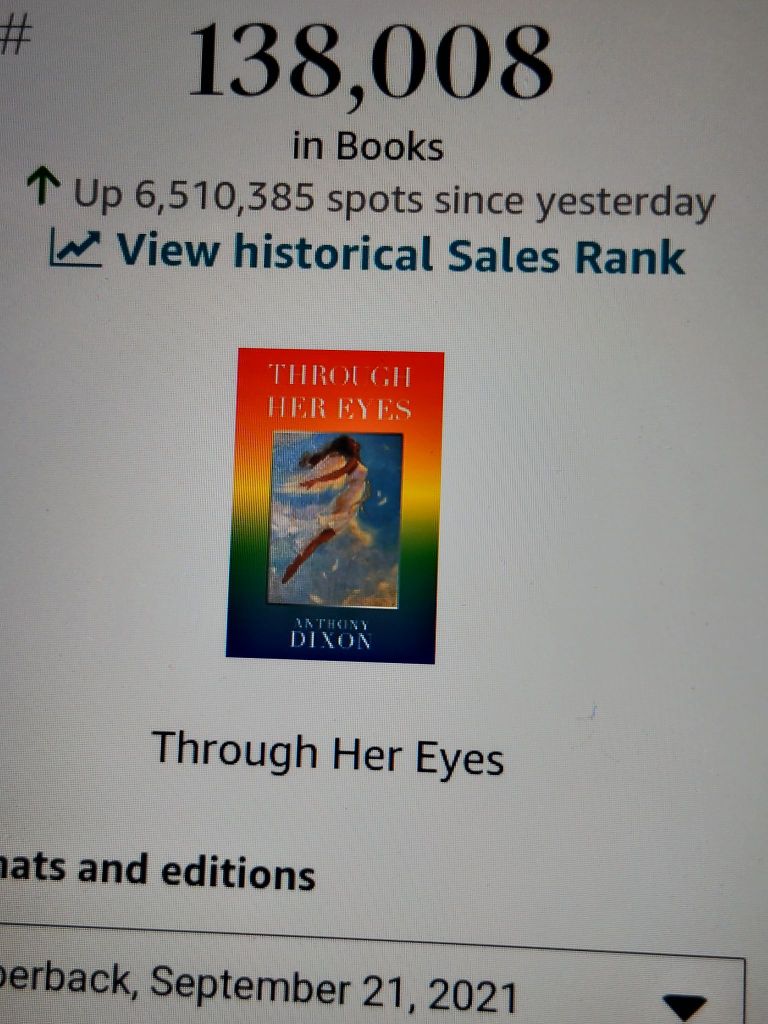










Human Trafficking : Modern day Slavery https://a.co/d/8OMcFf3
Chapter 1:
Predators in Disguise
The flashing lights of the screen glowed in her darkened room, casting eerie shadows on the walls. Her fingers hovered over the keyboard, hesitant yet eager, as she read the message that popped up on her phone. “You’ve got potential. Let’s make your dreams come true.” The words, so simple, ignited a spark of excitement deep in her chest. At sixteen, she had always admired him—his flawless looks, his charismatic smile, and the life he flaunted for millions to see. To think he noticed her out of all his followers felt like a dream. But dreams can be deceiving.
The promises came quickly and steady—opportunities, fame, money. Everything she’d ever wanted dangled before her eyes like a glimmering jewel. Yet, beneath the sparkle, something darker lurked. It was an unsettling feeling she couldn’t quite name, gnawing at her gut as the days passed.
“Meet me,” he said one evening. The words were casual, yet there was an urgency beneath the tone. She could sense it. But the world outside her window was quiet, and the only sound was the steady hum of her own breath as she typed back, “When?”
The silence that followed was suffocating.
Predators don’t hunt in the open. They thrive in shadows, weaving their way through the unspoken cracks of society, and in today’s hyperconnected world, they are more dangerous than ever.
I’ve seen it firsthand. Worked with some of them, even shook their hands. It’s terrifying how close they can get—how well they can hide. These people—these influencers—they’re not just names on a screen. They’re predators hiding in plain sight. I’ve watched their rise to stardom, seen the adoring eyes of their followers, and I’ve witnessed the aftermath of the destruction they leave in their wake.
Human Trafficking: The Modern-Day Slavery
Opening Verse: The Weight of One Life
If you could save just one life, would you?
This question has haunted me through every word of the 509 blogs I’ve written. It all began with a simple, 60-word post on Facebook—an unassuming message about the misusing of social media. Safe travels and the nuances of parenting were the theme of my Blogs. I didn’t anticipate the ripple it would create, nor the path it would set me on. But that small act ignited something within me, a realization that words carry power, that they can reach into the void and touch souls lost in the shadows.
The night I shared that first post, I stared at the ceiling, sleep elusive. A storm of thoughts swirled in my mind. Was anyone listening? Could a few sentences make a difference? The glow of the screen had faded, but its afterimage burned behind my eyes. I felt a pull—a calling—to dive deeper, to use my voice to illuminate the darkness that many choose to ignore.
I began exploring stories that others shied away from, peeling back layers to reveal the harsh realities of predators lurking in plain sight and the insidious web of human trafficking. Each blog became a beacon, a flare shot into the night sky, signaling to anyone out there that they were not alone. I wrote about safe passages, the importance of vigilance, and the silent cries of those trapped in unimaginable circumstances.
Then came the message that changed everything: “Your words gave me the courage to leave.” A survivor had found solace and strength in my writings. Her story was one of unimaginable hardship, but also of resilience and hope. In that moment, the weight of what I was doing hit me. My words had transcended the digital abyss and reached a real, beating heart. The abstract became tangible. The question I’d been asking wasn’t hypothetical anymore.
Could I save just one life? The answer was unfolding before me.
But with that realization came a heavier burden. The stories I unearthed were not just tales; they were lived nightmares. Children manipulated by those they trusted, individuals sold and traded as commodities, lives crushed under the weight of others’ greed and perversion. The more I learned, the more imperative it became to continue—to shout louder into the void.
I recalled a fundamental principle rooted deeply in my faith and echoed across religions and moral codes: saving one life is akin to saving the entire world. It’s a reminder that every soul carries infinite value, that our actions, no matter how small, can have profound impacts.
This book is the next step in my journey—a commitment to delve deeper, to shine a relentless light on the darkest corners. It’s not just about telling stories; it’s about confronting uncomfortable truths and urging collective action. Through vivid narratives and unwavering honesty, I aim to not only inform but to galvanize. Predators and traffickers thrive in silence and ignorance; by exposing their shadows, we strip them of power.
I invite you to walk this path with me—not as a passive observer, but as an active participant in change. Feel the urgency, the fear, the hope. Let the stories stir something within you, a call to reflect on that pivotal question.
If you could save just one life, would you?
Because in the end, it’s not about grand gestures or sweeping movements. It’s about individual choices, small acts of courage, and the willingness to face the darkness head-on. Together, we can create ripples that turn into waves, waves that can wash away the stains of indifference and inaction.
So, turn the page. Let us begin this journey. Lives are hanging in the balance, and each one is a world unto itself. Saving one is saving all.
Introduction: A Silent Epidemic


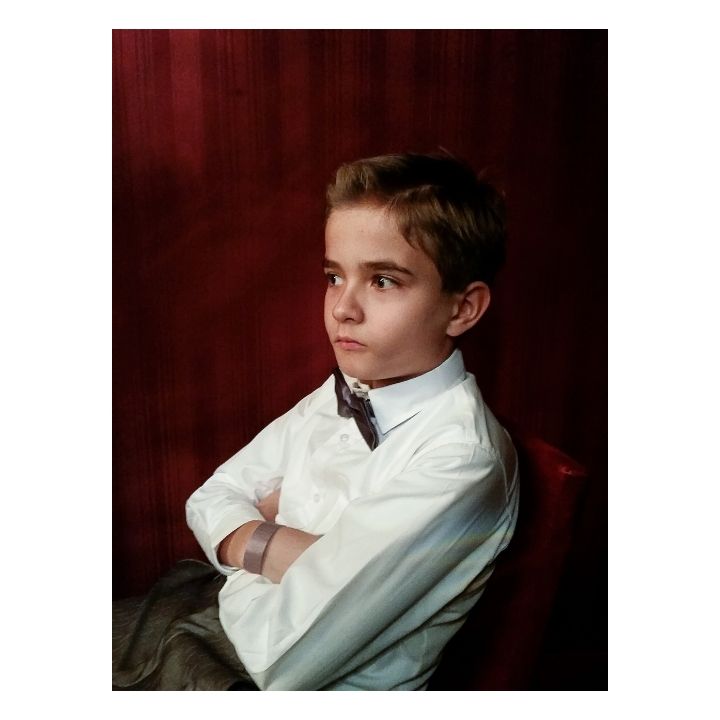
Plastic People: The Shallow Existence
Introduction: The Plastic World Around Us
In today’s fast-paced, convenience-driven world, plastic is everywhere—plastic bags, plastic utensils, plastic packaging. We recognize their temporary value, serving a purpose in our everyday lives, even though their environmental impact has become a growing concern. But there’s something even more concerning than the overabundance of these physical plastics—it’s the rise of “plastic people,” individuals who live in a bubble of shallow existence, oblivious to the depth of life beyond themselves.
Plastic people are like their material counterparts: superficial, disposable, and serving a limited, self-serving purpose. Their lives, characterized by entitlement, negativity, and self-centeredness, are shaped by an upbringing that often lacked boundaries and discipline. In the same way plastic litters our oceans, these individuals litter society with toxic attitudes, creating a ripple effect of damage wherever they go.
But how do people become “plastic”? The answer lies, more often than not, in the hands of the parents.
Chapter 1: The Seeds of Plasticity
In an earlier blog, I wrote about a simple yet telling scenario that can shape a child’s future personality: a child sits in a high chair, repeatedly dropping his spoon on the floor for the twentieth time. Each time, the parent bends down, picks it up, and hands it back without hesitation. This seemingly trivial interaction is more profound than it appears. It’s the first battle in a long war over boundaries, control, and understanding of the world. In this scenario, when the child wins, the seed of entitlement is sown.
The child realizes that with enough persistence, they can bend the world—and more importantly, the people in it—to their will. The lesson learned? I am in control, not those around me. The battle over that spoon was lost, but more importantly, a precedent was set. The message was loud and clear: “I get what I want when I demand it.” As the child grows, this unchecked mindset metastasizes, becoming the foundation for a personality that believes the world revolves around them. It’s the genesis of a shallow existence.
Chapter 2: The Parent Factor – The Enablers of Entitlement
Parents, in their desire to provide, nurture, and love, can often become the very enablers of this behavior. When discipline is replaced with indulgence, and boundaries become blurred or nonexistent, children grow up believing that they are the center of the universe. Parents who fail to recognize this, who confuse love with permissiveness, are the architects of the plastic persona.
Many parents, especially in modern society, are afraid to say “no” to their children. They fear rejection, tantrums, or being labeled as “mean.” But what these parents fail to understand is that saying “no” teaches children an invaluable life lesson: the world does not cater to their every whim. Without this boundary, children never learn patience, resilience, or accountability. Instead, they grow up believing that their desires come first, creating a future adult who lacks empathy and operates with a self-serving mindset.
Chapter 3: The Birth of Plastic People
When children raised with a sense of entitlement enter society, the consequences are far-reaching. These individuals believe that their needs, wants, and desires take precedence over everyone else’s. They are the ones who cut in line, ignore basic etiquette, and expect others to bend to their will. They bring with them an aura of negativity, creating friction in personal relationships, workplaces, and even on the road.
From the highest offices of government to the most mundane interactions in a grocery store, plastic people exist everywhere. They’re the ones who rage on the road, believing that every driver should move for them, the ones who throw tantrums in restaurants because their meal isn’t perfect, or the ones who create toxic work environments with their relentless self-interest.
Their shallow existence manifests in what I call “Plastic Psychology”—a mindset that deceives them into believing they are the center of the universe. They fail to grasp the depth and complexity of life beyond their own wants, rendering them unable to connect with others on a meaningful level. This psychological framework not only deceives them but also deceives those around them, who must navigate the fallout of their entitlement and negativity.
Chapter 4: The Ripple Effect of Shallow Existence
Plastic people don’t exist in a vacuum. Their shallow existence creates ripple effects, damaging the fabric of society. Their belief that they are superior, or that their needs ( Trump ) others’, creates divisions, misunderstandings, and conflict. Whether it’s through broken relationships, hostile work environments, or even larger societal issues, their negative impact is far-reaching.
They fail to understand the simple truth that life is not about constant validation or gratification. Real depth comes from growth, self-awareness, and the ability to understand others. Yet, these individuals remain trapped in a shallow cycle of self-serving behavior, unable to escape the psychological prison they’ve built for themselves.
Chapter 5: Breaking Free from the Plastic Mold
So, how do we stop raising plastic people? The solution starts with breaking the cycle of permissiveness and indulgence. Parents must return to the fundamentals of discipline, teaching children that life involves challenges, compromise, and consideration for others. Boundaries are crucial; they provide children with the structure needed to understand that their actions have consequences, and that the world does not revolve around them.
Moreover, as a society, we must collectively reject the entitlement culture that permeates modern life. We must value humility, empathy, and resilience over materialism, self-interest, and instant gratification. Only then can we begin to dismantle the mindset of shallow existence and foster a world where depth, understanding, and human connection are at the forefront.
Conclusion: From Plastic to Purposeful
We live in a world where too many people live shallow, plastic lives—focused only on themselves, their desires, and their immediate satisfaction. But there is hope for change. By instilling discipline, empathy, and humility in the next generation, we can break the cycle of plastic existence.
There is value in plastic bags and plastic utensils, but none in plastic people. A life without depth is a life half-lived, and the real tragedy lies in the fact that plastic people are often blind to this truth. Their shallow existence deceives them into thinking they are winning when, in reality, they are missing out on the beauty of real, authentic human connection and personal growth.
True value lies in living a life of purpose, empathy, and self-awareness—traits that go far beyond the shallow existence of plastic people. It’s time to leave behind the plastic mindset and strive for something deeper, something real.