White lies
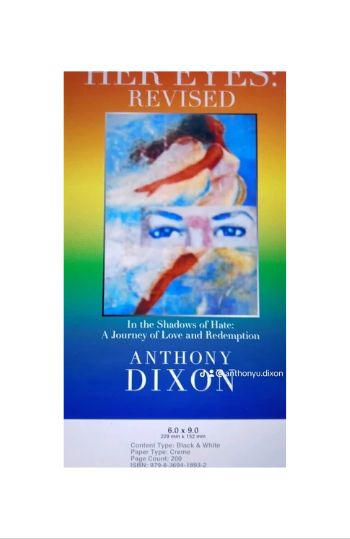
We are going all out on this one
Africa I Love you
Anthony DixonEdit”Africa I Love you”
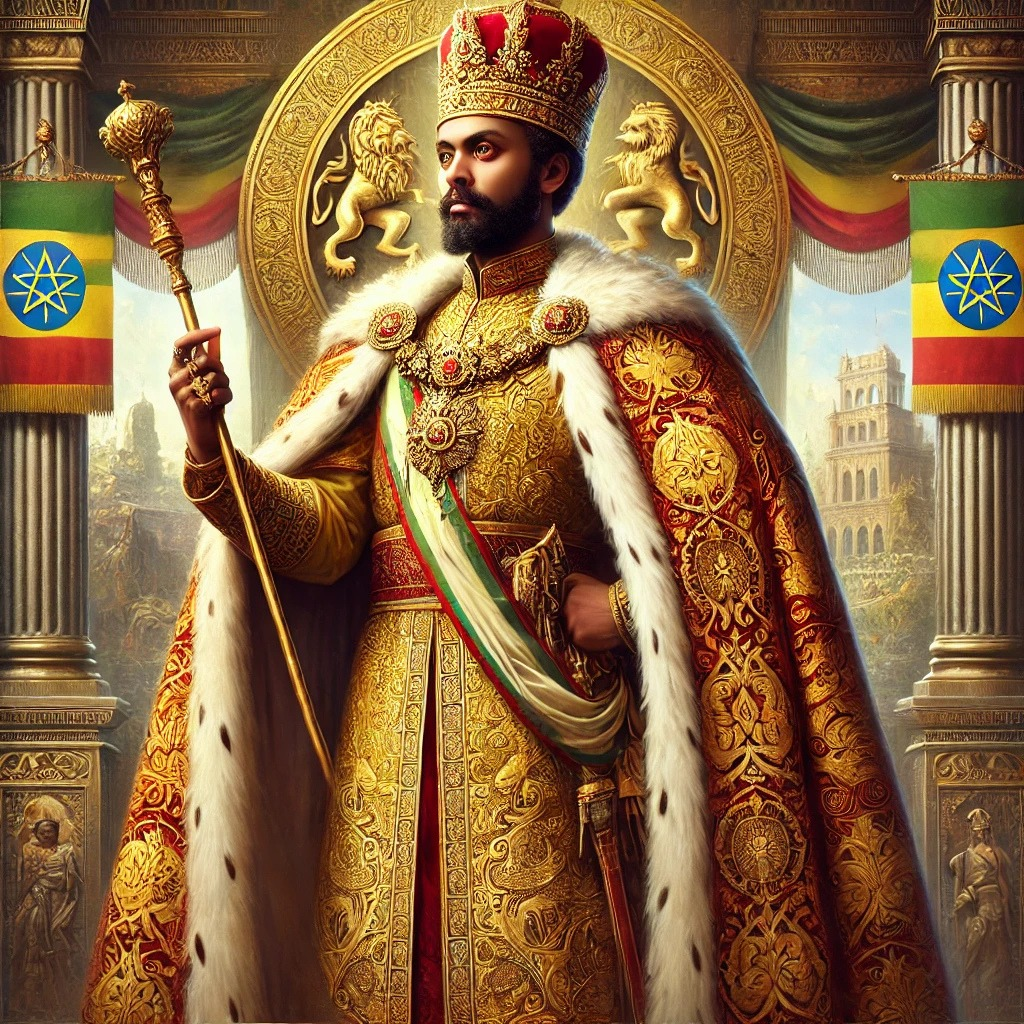
White Lies
Africa Ethiopian Africa’s Journey Through Global Eyes: Reflections on the Past, Present, and China’s Unique Role in the Future
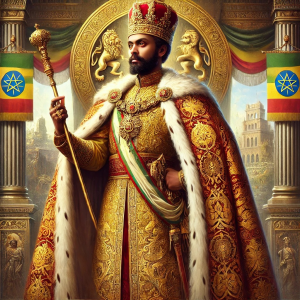
“The Lion Of Judah will break every chain, and lead us to victory again and again”.
From Barter to Global Capitalism: Africa’s Path to Economic Empowerment Ethiopia:
A Journey Through Time – From Primal Existence to Spiritual Celebration Ethiopia’s Beginnings – The Cradle of Civilization
Chapter 1:
The Call of My Ancestral Land There are no chance meetings
When I moved to South Carolina, I knew there would be a culture shock waiting for me. This state, which was once the epicenter of the slave trade in America, bore the weight of a history that could not be ignored. Every corner seemed to whisper stories of pain, resilience, and survival. The echoes of my ancestors, who had been shackled and stripped of their humanity, were palpable in the humid air. The realization that I now lived in a place that had been the major beneficiary of slavery made my connection to the land both intimate and haunting. Living here created a sense of urgency in me—a burning need to dig deeper into the cradle of my being. I felt a pull to understand Africa, not as a distant, abstract concept, but as the origin of everything that made me who I am. I had to unearth the roots of my identity and confront the reality of what had been perpetuated on my paternal land. The devastation inflicted upon my people, culture, heritage, and psyche was not just a distant history; it was a present reality, shaping my consciousness and my place in the world. The more I learned about the history of Africa—its civilizations, its rich cultures, its vibrant languages—the more I realized the depth of what had been stolen. The cradle of humanity, my homeland, had been pillaged, its people scattered like seeds across foreign lands. And yet, despite the trauma and fragmentation, there was resilience, an unbroken spirit that called me back to my roots. As I stood on the soil of South Carolina, I felt the weight of this history, not as a burden but as a call to action. I knew that I could not remain silent any longer. Bob Marley’s words rang in my mind: Could this be love? The question lingered, challenging me to look beyond the pain and devastation to see the love that still existed—love for a homeland I had never seen, love for a people I had never met but felt deeply connected to. It was a love that demanded something of me, a response, an acknowledgment of the bond that transcends time and space. Marley also urged, Say something. In those simple words, I found a call to action. It was time to speak up, to reclaim the narrative that had been stripped away. It was time to say something about the threads that bound me to Africa—threads that had endured despite centuries of efforts to sever them. I knew then that it was my time to speak, to tell the story of my heart’s connection to Africa, to honor my ancestors and the resilience of my people. I embarked on a journey of research, learning about Africa from its origins as the Cradle of Humanity to its diverse and complex civilizations—kingdoms and empires that thrived long before colonizers set foot on its soil. I learned of Timbuktu, once the center of knowledge and scholarship, and of the great empires of Mali, Ghana, and Songhai, whose wealth and power challenged the narratives I had been taught in Western classrooms. I realized that Africa was not a land of primitive tribes awaiting civilization; it was the origin of civilization itself. The more I learned, the more my heart ached for what had been lost and what could still be reclaimed. The systematic effort to strip Africa of its identity, its culture, and its people had left scars that spanned generations. The trauma was not just historical; it was alive, shaping the lives of descendants like me who lived far from the motherland but felt its call deeply. But with that pain came a sense of responsibility. I knew I had to honor the legacy of my ancestors by reclaiming their stories, their languages, their pride. Say something, Marley’s voice echoed again. So, I resolved to use my voice, my words, and my platform to speak the truth about Africa—not as a place of darkness and despair, but as a land of light, resilience, and possibility.

Published by Anthony Dixon
Post navigation
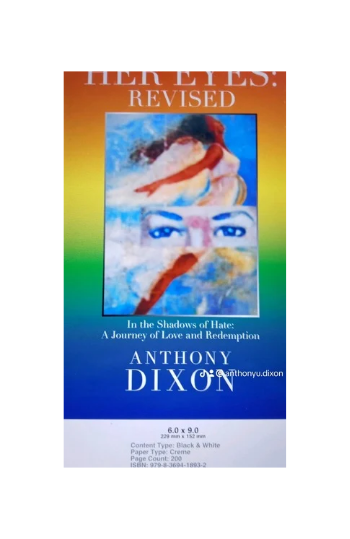
Previous postThrough Her Eyes Revised:
Leave a Reply
Blog Stats
- 4,187,865 hits

New
- An error has occurred; the feed is probably down. Try again later.
Translate

Select LanguageAbkhazAcehneseAcholiAfarAfrikaansAlbanianAlurAmharicArabicArmenianAssameseAvarAwadhiAymaraAzerbaijaniBalineseBaluchiBambaraBaouléBashkirBasqueBatak KaroBatak SimalungunBatak TobaBelarusianBembaBengaliBetawiBhojpuriBikolBosnianBretonBulgarianBuryatCantoneseCatalanCebuanoChamorroChechenChichewaChinese (Simplified)Chinese (Traditional)ChuukeseChuvashCorsicanCrimean Tatar (Cyrillic)Crimean Tatar (Latin)CroatianCzechDanishDariDhivehiDinkaDogriDombeDutchDyulaDzongkhaEsperantoEstonianEweFaroeseFijianFilipinoFinnishFonFrenchFrench (Canada)FrisianFriulianFulaniGaGalicianGeorgianGermanGreekGuaraniGujaratiHaitian CreoleHakha ChinHausaHawaiianHebrewHiligaynonHindiHmongHungarianHunsrikIbanIcelandicIgboIlocanoIndonesianInuktut (Latin)Inuktut (Syllabics)IrishItalianJamaican PatoisJapaneseJavaneseJingpoKalaallisutKannadaKanuriKapampanganKazakhKhasiKhmerKigaKikongoKinyarwandaKitubaKokborokKomiKonkaniKoreanKrioKurdish (Kurmanji)Kurdish (Sorani)KyrgyzLaoLatgalianLatinLatvianLigurianLimburgishLingalaLithuanianLombardLugandaLuoLuxembourgishMacedonianMadureseMaithiliMakassarMalagasyMalayMalay (Jawi)MalayalamMalteseMamManxMaoriMarathiMarshalleseMarwadiMauritian CreoleMeadow MariMeiteilon (Manipuri)MinangMizoMongolianMyanmar (Burmese)Nahuatl (Eastern Huasteca)NdauNdebele (South)Nepalbhasa (Newari)NepaliNKoNorwegianNuerOccitanOdia (Oriya)OromoOssetianPangasinanPapiamentoPashtoPersianPolishPortuguese (Brazil)Portuguese (Portugal)Punjabi (Gurmukhi)Punjabi (Shahmukhi)QuechuaQʼeqchiʼRomaniRomanianRundiRussianSami (North)SamoanSangoSanskritSantali (Latin)Santali (Ol Chiki)Scots GaelicSepediSerbianSesothoSeychellois CreoleShanShonaSicilianSilesianSindhiSinhalaSlovakSlovenianSomaliSpanishSundaneseSusuSwahiliSwatiSwedishTahitianTajikTamazightTamazight (Tifinagh)TamilTatarTeluguTetumThaiTibetanTigrinyaTivTok PisinTonganTshilubaTsongaTswanaTuluTumbukaTurkishTurkmenTuvanTwiUdmurtUkrainianUrduUyghurUzbekVendaVenetianVietnameseWarayWelshWolofXhosaYakutYiddishYorubaYucatec MayaZapotecZulu
Powered by Translate
Adixon7611.com



 www.adixon7611.comhttps://wordpress.com