Life

People Person

What’s the first impression you want to give people?

First Impressions Matter: The Message I Want to Send

The first impression I want people to have of me is simple yet meaningful—I am approachable. In a world where many seem to wear their anger or frustrations on their sleeves, I strive to be the opposite. I want people to know that I genuinely enjoy connecting with others. I’m a people person through and through, and nothing brings me more joy than meeting fascinating individuals, whether they’re two years old or 106. Everyone has a story to tell, and I want to hear it.

My mother often tells the story of my natural openness as a child. When I was just two years old, I would leap into the arms of total strangers without hesitation. There was no fear, no second-guessing—just an innate trust and curiosity about people. I believe that openness is one of the purest parts of the human spirit, a reflection of the kindness we’re born with before life begins to weigh us down.

As the years pass, that unfiltered openness can fade. Life experiences, challenges, and disappointments can leave their mark, sometimes making it harder to maintain that genuine curiosity and connection with others. But I strive to hold onto it. I remind myself daily that no matter how tough life gets, meeting new people and learning from them is a gift. Every interaction is an opportunity to grow, to share, and to make the world a little brighter.

So, when you meet me, know this: I want to know your story. I want to understand what makes you unique. Whether you’re a toddler exploring the world for the first time or someone who has seen the seasons of life come and go, you are interesting to me. Life has taught me that everyone carries a bit of wisdom, humor, or perspective that can enrich our own.

I hope my warmth and openness make me approachable to others. After all, connecting with people is not just something I do—it’s who I am.
The ultimate connection, I meet a Church sister who wants me to write her life story. That’s what it’s all about People trusting you.

Life

Including link: https://www.pahomepage.com/

Hugo Zalenski

“PAhomepage.com Hugo Selenski’s Great Escape: 20 years later Andy Mehalshick 1 year ago EYEWITNESS NEWS (WBRE/WYOU) — It is known as “The Great Escape” 20 years ago this month two inmates one of those inmates Hugo Selenski was accused of murder broke out of the Luzerne County prison. The eyes of the nation were focused on Luzerne County namely this prison. Selenski and Scott Bolton tied bed sheets together and scaled down five floors the escape is still talked about 20 years later. These are images that are burned into the memories of many people who live in northeastern Pennsylvania bed sheets tied together hanging from the fifth floor of the Luzerne County prison state and local police converging on the prison. The mastermind of the escape: Hugo Selenski who at that time was accused of murdering two men in all, five burned bodies were found buried at his property in Kingston Township the other inmate was Scott Bolton, who was in prison facing theft-related charges. Bolton was injured in the escape and was taken to a hospital..but the search was on for Selensk. I spoke with now-retired state police lieutenant Rick Krawetz who helped lead the search. “He was on the run. We did not know at that time whether or not he had any assistance. We did not know if he had any weapons or if he was armed in any way shape or form. Obviously, he was desperate. our concern was for all the civilians that were out there,” said Ret. Lt. Rick Krawetz. ATV riders wanted for fleeing police, erratic driving Three days into the manhunt Selenski wanted to surrender and he wanted Krawetz to take him into custody. “It was my understanding that because of my knowledge and association with Atty Fannick, he wanted to turn himself into me,” added Ret. Lt. Krawetz. File Image Attorney Demetrius Fannick represented Selenski at that time. “Total embarrassment you could see it on their faces,” says Ret. Capt Ottensman. Al Ottensman was a captain at the prison he says the escape led to security changes at the prison. “They did change policies. Some security I can’t talk about, but the sheets we found out that they threatened a lot of those inmates, especially the meek ones. They cut eight and they got their sheets. So we changed having their names actually printed on some of them,” explained Capt. Ottensman. Bob Kadluboski from Wilkes-Barre heard about the escape and helped look for the suspects in the city. Selenski was eventually acquitted in the murders of two men found buried on his property but, was sentenced for burning their bodies In 2015. Selenski was convicted in the murders of Michael Kerkowski and Tammy Fassett and is serving life in prison for the crimes. Scott Bolton has been in and out of prison over the past 20 years. Categories: I-Team, Local News, News, Top News, Top Stories PAhomepage.com Back to top ” https://www.pahomepage.com/news/i-team/hugo-selenskis-great-escape-20-years-later/#:~:text=PAhomepage.com,Back%20to%20top

Life

Hugo Zalenski

Who is the most famous or infamous person you have ever met?

Chapter: The Hidden Shadows of a Good Age to Die

I never imagined the man I sat beside, shared a beer with, and joked about horse races could be hiding something so dark. Hugo Zalenski—just a regular face at the racetrack, sitting beside me in faded jeans and a worn baseball cap, puffing on a joint between sips of his beer. We shared stories, laughed at life’s oddities, complained about the heat, and somehow it all felt easy, like we were old friends connected by nothing more than the thrill of the races and a few shared vices.

Then one morning, I woke up, half-asleep, flipping through TV channels until his face flashed on the screen. There he was—Hugo Zalenski, the unassuming guy from the track, the friendly neighbor in the well-to-do area of Back Mountain, Pennsylvania. But the words scrolling beneath his mugshot felt surreal. Five counts of murder. Burning bodies, burying them in his backyard.

I felt cold all over, recalling the many times I sat just inches from him, oblivious to the darkness he carried. The air in my lungs felt heavy, and I could barely grasp the reality of it. Hugo had become someone unrecognizable, transformed into a name that people whispered in horror and disbelief.

I had thought of age, life, and death many times, even wondered at the right time to go and what a “good age to die” meant. But I had always thought about it in terms of the peaceful and natural. Hugo’s existence twisted those thoughts into something chilling, something that reminded me of the depths people could descend to while others, like me, remained unaware, merely spectators in their worlds.

It made me wonder, as I sat alone that morning with my coffee gone cold—what drives a person to harbor such darkness? Was there ever a good age for Hugo to make a different choice, to set his life on a different course before it reached that horrific end? The idea of a “good age to die” isn’t only about the when but the how. It’s about leaving behind a legacy of kindness, wisdom, and respect, not a trail of ashes and fear.

Reflecting on this strange encounter, I knew it wasn’t just about Hugo anymore. It was about all of us who live our lives, not knowing what lurks behind the faces we meet. It was about the reminder that life is short, that our choices define us, and that there’s an urgency to live each day with intention.

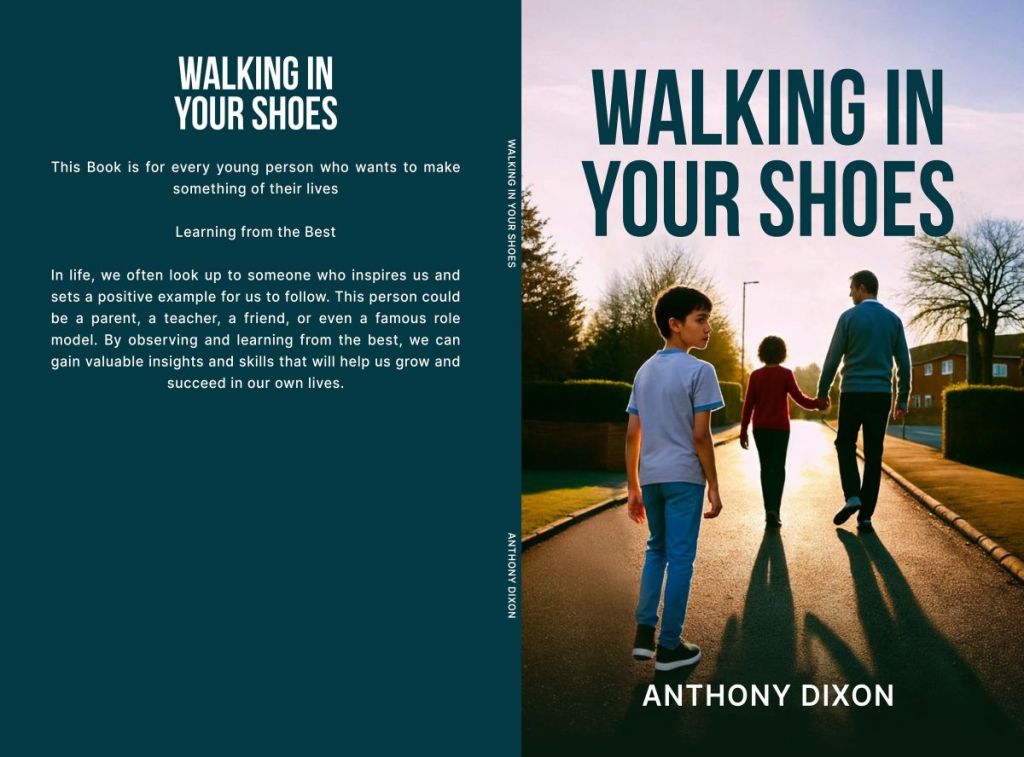
Human Trafficking Modern day Slavery Author Anthony Dixon
Life

Africa I love you

White lies

www.adixon7611.comhttps://wordpress.com/page/adixon7611com.wordpress.com/4

We are going all out on this one

Africa I Love you

Anthony DixonEdit”Africa I Love you”

White Lies

Africa Ethiopian Africa’s Journey Through Global Eyes: Reflections on the Past, Present, and China’s Unique Role in the Future

“The Lion Of Judah will break every chain, and lead us to victory again and again”.

From Barter to Global Capitalism: Africa’s Path to Economic Empowerment Ethiopia:

A Journey Through Time – From Primal Existence to Spiritual Celebration Ethiopia’s Beginnings – The Cradle of Civilization

Chapter 1:

The Call of My Ancestral Land There are no chance meetings

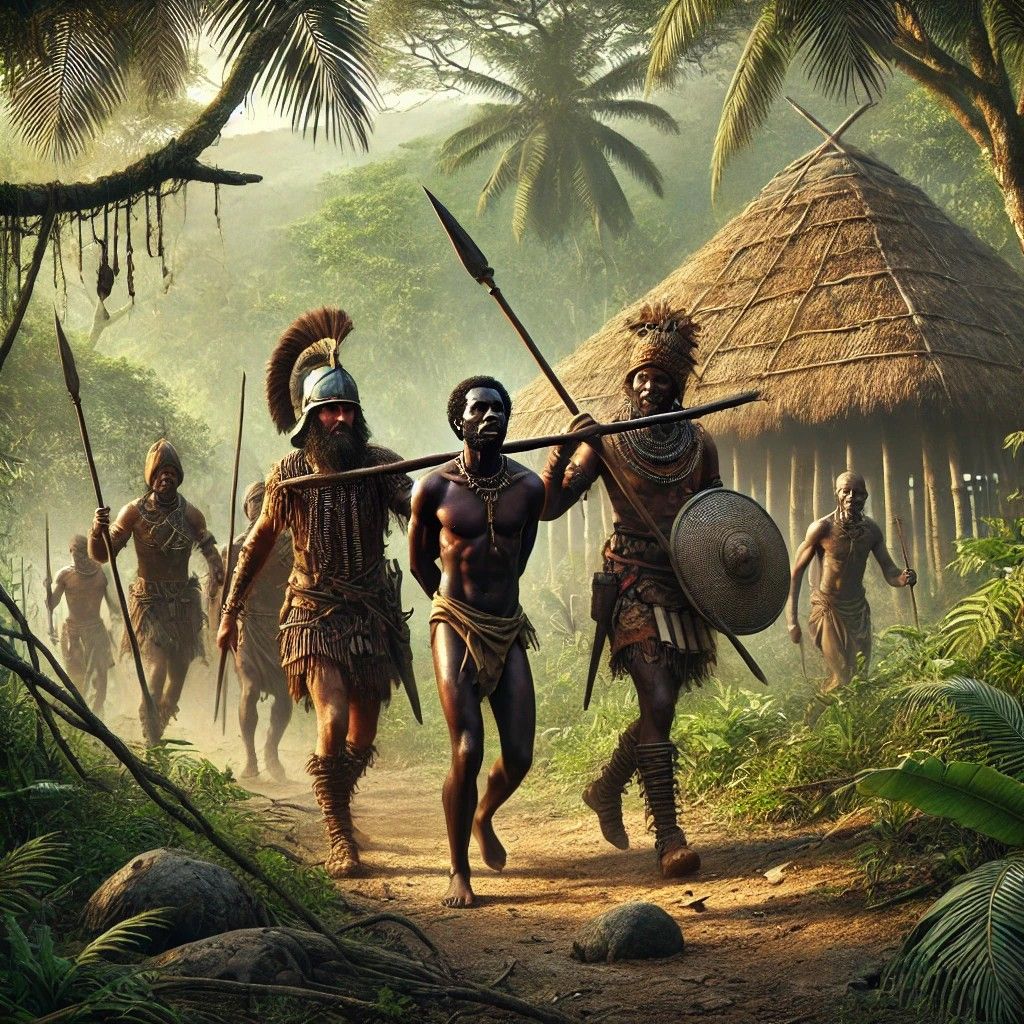
When I moved to South Carolina, I knew there would be a culture shock waiting for me. This state, which was once the epicenter of the slave trade in America, bore the weight of a history that could not be ignored. Every corner seemed to whisper stories of pain, resilience, and survival. The echoes of my ancestors, who had been shackled and stripped of their humanity, were palpable in the humid air. The realization that I now lived in a place that had been the major beneficiary of slavery made my connection to the land both intimate and haunting. Living here created a sense of urgency in me—a burning need to dig deeper into the cradle of my being. I felt a pull to understand Africa, not as a distant, abstract concept, but as the origin of everything that made me who I am. I had to unearth the roots of my identity and confront the reality of what had been perpetuated on my paternal land. The devastation inflicted upon my people, culture, heritage, and psyche was not just a distant history; it was a present reality, shaping my consciousness and my place in the world. The more I learned about the history of Africa—its civilizations, its rich cultures, its vibrant languages—the more I realized the depth of what had been stolen. The cradle of humanity, my homeland, had been pillaged, its people scattered like seeds across foreign lands. And yet, despite the trauma and fragmentation, there was resilience, an unbroken spirit that called me back to my roots. As I stood on the soil of South Carolina, I felt the weight of this history, not as a burden but as a call to action. I knew that I could not remain silent any longer. Bob Marley’s words rang in my mind: Could this be love? The question lingered, challenging me to look beyond the pain and devastation to see the love that still existed—love for a homeland I had never seen, love for a people I had never met but felt deeply connected to. It was a love that demanded something of me, a response, an acknowledgment of the bond that transcends time and space. Marley also urged, Say something. In those simple words, I found a call to action. It was time to speak up, to reclaim the narrative that had been stripped away. It was time to say something about the threads that bound me to Africa—threads that had endured despite centuries of efforts to sever them. I knew then that it was my time to speak, to tell the story of my heart’s connection to Africa, to honor my ancestors and the resilience of my people. I embarked on a journey of research, learning about Africa from its origins as the Cradle of Humanity to its diverse and complex civilizations—kingdoms and empires that thrived long before colonizers set foot on its soil. I learned of Timbuktu, once the center of knowledge and scholarship, and of the great empires of Mali, Ghana, and Songhai, whose wealth and power challenged the narratives I had been taught in Western classrooms. I realized that Africa was not a land of primitive tribes awaiting civilization; it was the origin of civilization itself. The more I learned, the more my heart ached for what had been lost and what could still be reclaimed. The systematic effort to strip Africa of its identity, its culture, and its people had left scars that spanned generations. The trauma was not just historical; it was alive, shaping the lives of descendants like me who lived far from the motherland but felt its call deeply. But with that pain came a sense of responsibility. I knew I had to honor the legacy of my ancestors by reclaiming their stories, their languages, their pride. Say something, Marley’s voice echoed again. So, I resolved to use my voice, my words, and my platform to speak the truth about Africa—not as a place of darkness and despair, but as a land of light, resilience, and possibility.

Published by Anthony Dixon

Growing up in New York I had many offers to become infamous, one to join organize Crime, in order not to bring shame to a strong Willed Christian Woman I call Mom I turned them all down. It’s her style of Parenting that kept me straight and strong to survive my Turbulent Youth my Goal is to give strength to Parents of problematic Teens, so they also can overcome. I am presently semi retired living out my Life with a bang in Florida writing my way into the next Life. View all posts by Anthony Dixon

Post navigation

Previous postThrough Her Eyes Revised:

Leave a Reply

This site uses Akismet to reduce spam. Learn how your comment data is processed.Search for:

96 spamblocked by Akismet

Blog Stats

  • 4,187,865 hits
RSS

 New

  • An error has occurred; the feed is probably down. Try again later.

Translate

Google Translate

Select LanguageAbkhazAcehneseAcholiAfarAfrikaansAlbanianAlurAmharicArabicArmenianAssameseAvarAwadhiAymaraAzerbaijaniBalineseBaluchiBambaraBaouléBashkirBasqueBatak KaroBatak SimalungunBatak TobaBelarusianBembaBengaliBetawiBhojpuriBikolBosnianBretonBulgarianBuryatCantoneseCatalanCebuanoChamorroChechenChichewaChinese (Simplified)Chinese (Traditional)ChuukeseChuvashCorsicanCrimean Tatar (Cyrillic)Crimean Tatar (Latin)CroatianCzechDanishDariDhivehiDinkaDogriDombeDutchDyulaDzongkhaEsperantoEstonianEweFaroeseFijianFilipinoFinnishFonFrenchFrench (Canada)FrisianFriulianFulaniGaGalicianGeorgianGermanGreekGuaraniGujaratiHaitian CreoleHakha ChinHausaHawaiianHebrewHiligaynonHindiHmongHungarianHunsrikIbanIcelandicIgboIlocanoIndonesianInuktut (Latin)Inuktut (Syllabics)IrishItalianJamaican PatoisJapaneseJavaneseJingpoKalaallisutKannadaKanuriKapampanganKazakhKhasiKhmerKigaKikongoKinyarwandaKitubaKokborokKomiKonkaniKoreanKrioKurdish (Kurmanji)Kurdish (Sorani)KyrgyzLaoLatgalianLatinLatvianLigurianLimburgishLingalaLithuanianLombardLugandaLuoLuxembourgishMacedonianMadureseMaithiliMakassarMalagasyMalayMalay (Jawi)MalayalamMalteseMamManxMaoriMarathiMarshalleseMarwadiMauritian CreoleMeadow MariMeiteilon (Manipuri)MinangMizoMongolianMyanmar (Burmese)Nahuatl (Eastern Huasteca)NdauNdebele (South)Nepalbhasa (Newari)NepaliNKoNorwegianNuerOccitanOdia (Oriya)OromoOssetianPangasinanPapiamentoPashtoPersianPolishPortuguese (Brazil)Portuguese (Portugal)Punjabi (Gurmukhi)Punjabi (Shahmukhi)QuechuaQʼeqchiʼRomaniRomanianRundiRussianSami (North)SamoanSangoSanskritSantali (Latin)Santali (Ol Chiki)Scots GaelicSepediSerbianSesothoSeychellois CreoleShanShonaSicilianSilesianSindhiSinhalaSlovakSlovenianSomaliSpanishSundaneseSusuSwahiliSwatiSwedishTahitianTajikTamazightTamazight (Tifinagh)TamilTatarTeluguTetumThaiTibetanTigrinyaTivTok PisinTonganTshilubaTsongaTswanaTuluTumbukaTurkishTurkmenTuvanTwiUdmurtUkrainianUrduUyghurUzbekVendaVenetianVietnameseWarayWelshWolofXhosaYakutYiddishYorubaYucatec MayaZapotecZulu

Powered by Translate

Adixon7611.com

Blog at WordPress.com.

Skip to toolbar